
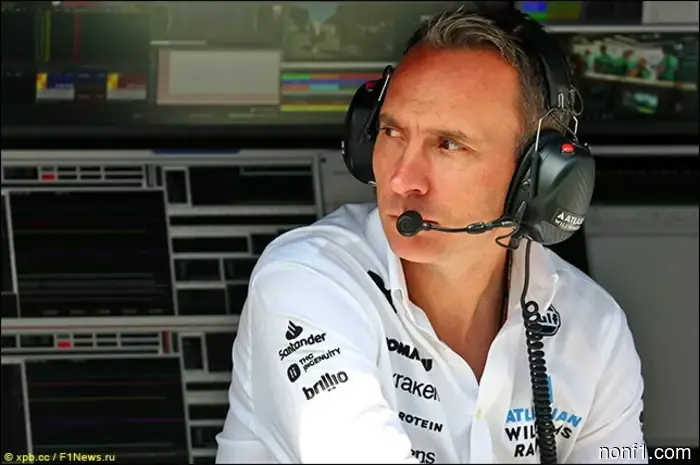
Paul Williams on the features of the track in Monaco
Before the Monaco Grand Prix, Paul Williams, the chief engineer of the Williams racing team, discussed the key technical factors that could influence the weekend's events...
Question: What are the main technical challenges of the Monaco track?
Paul Williams: The unique configuration of the track, primarily consisting of low-speed sections, increases the demands on grip and balance. However, a comfortable balance for drivers is often not the fastest. Drivers feel confident when the car behaves predictably. On a barrier-lined track, there is no room for mistakes, so it is crucial to find settings that allow the driver to fully trust the car. Monaco is the only track on the calendar without designated zones for active aerodynamics. The track is open to the public throughout the weekend, so the condition of the asphalt changes daily. Combined with the annual laying of new surface in different areas, this leads to varying grip levels in each session.
Question: How will the transition to the 2026 regulations affect the weekend's events?
Paul Williams: In terms of energy management, the Monaco track is unlike other stages of the season. It is truly a unique case. The short straights and low average speed do not limit the available energy; we will be constantly using it on the straights. The key task is to maintain turbocharger RPM, but in slow sections, a drop in RPM is inevitable, so drivers may face insufficient torque when exiting corners. The team will work to mitigate this issue as much as possible throughout the weekend.
Question: What challenges might arise in working with tires?
Paul Williams: Pirelli has allocated the softest compounds for Monaco, although the characteristics of the track are such that even they may seem too hard. Monaco has very smooth asphalt, but overall the surface is very uneven, with low grip. There are many sections on the lap with different asphalt; some areas were resurfaced before the Grand Prix, including the start-finish straight and turns 7-8. Getting the tires into their working range will be a challenging task in qualifying. It will take several laps to bring the front tires into their operating range before the first corner. Granulation may occur during the race.
Question: What strategic considerations should be taken into account before the race?
Paul Williams: Overtaking in Monaco is extremely difficult, which raises the stakes for starting position and qualifying results. Good speed in qualifying is more important here than race speed—this factor will be key for the team. Overtaking difficulties will dictate the strategy for teams across the grid. Last year, regulations required teams to use three sets of tires during the race; this rule has now been lifted. All three compounds can be used during the race. It is expected that the Grand Prix will take place with one pit stop, although tire choices may vary. Slow tire warm-up with a full fuel load may encourage the use of "cutting" as a strategic tool. There is a high likelihood of both real and virtual safety car periods, and teams will take this factor into account when planning pit stops.
Other articles
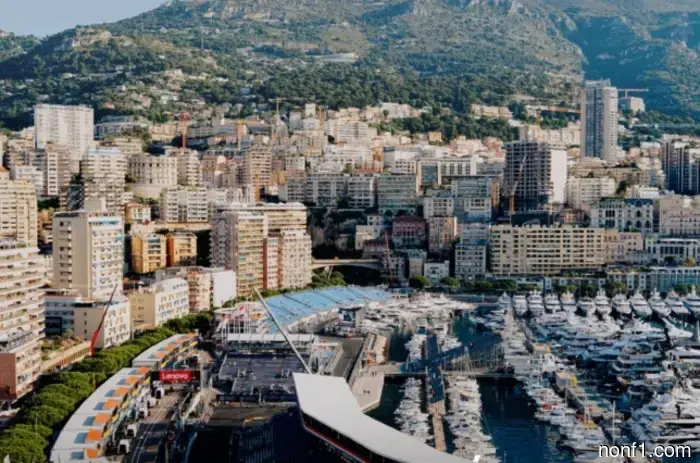 Nico Hülkenberg: Monaco can bring surprises
The Swiss Sauber has participated in the Monaco Grand Prix 33 times under various names, but the factory team Audi F1, created on its basis, will do so for the first time...
Nico Hülkenberg: Monaco can bring surprises
The Swiss Sauber has participated in the Monaco Grand Prix 33 times under various names, but the factory team Audi F1, created on its basis, will do so for the first time...
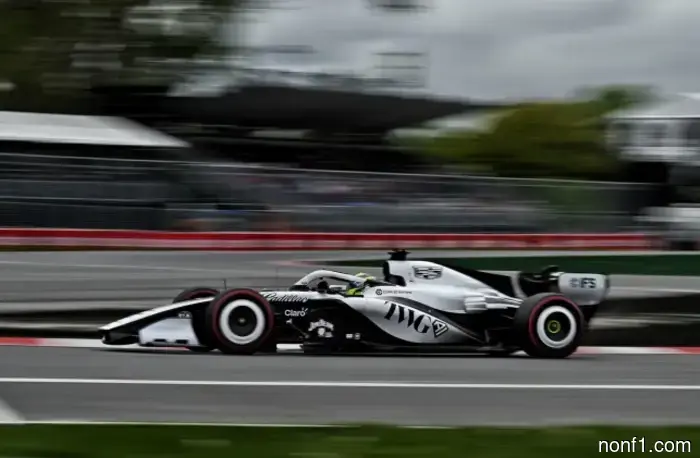 Cadillac F1 will present new products in Monaco.
This weekend, Cadillac will make its debut in Monaco – the American team hopes that the experience of Sergio Perez and Valtteri Bottas will fully manifest on the narrow streets of the Mediterranean principality...
Cadillac F1 will present new products in Monaco.
This weekend, Cadillac will make its debut in Monaco – the American team hopes that the experience of Sergio Perez and Valtteri Bottas will fully manifest on the narrow streets of the Mediterranean principality...
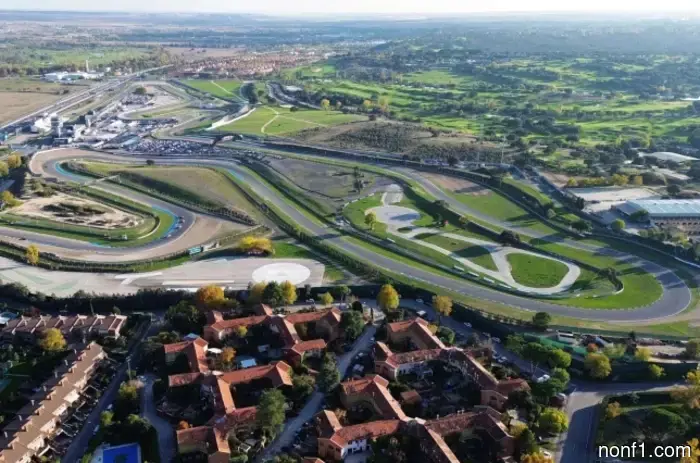 Formula E: The first tests of the GEN4 cars will take place in Harama.
Formula E teams are preparing for the first official tests of the fourth generation (GEN4) cars, which will take place at the racetrack in Harama...
Formula E: The first tests of the GEN4 cars will take place in Harama.
Formula E teams are preparing for the first official tests of the fourth generation (GEN4) cars, which will take place at the racetrack in Harama...
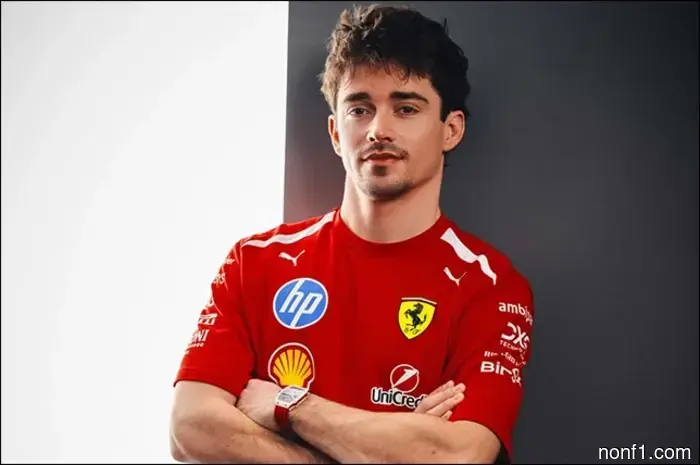 Charles Leclerc and Ferrari extended the contract.
Ferrari announced the extension of the contract with Charles Leclerc...
Charles Leclerc and Ferrari extended the contract.
Ferrari announced the extension of the contract with Charles Leclerc...
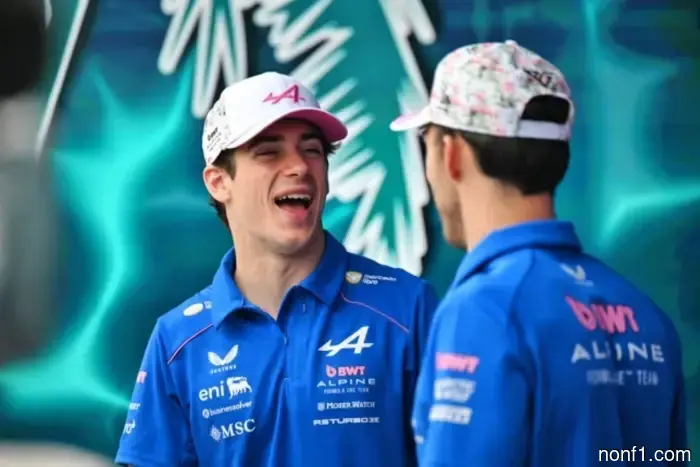 Kolapinto: Our goal is to finish in the top ten.
The European stage of the season begins with the Monaco Grand Prix, and the Alpine team will try to continue their streak of successful performances, as their drivers have scored points in all five stages...
Kolapinto: Our goal is to finish in the top ten.
The European stage of the season begins with the Monaco Grand Prix, and the Alpine team will try to continue their streak of successful performances, as their drivers have scored points in all five stages...
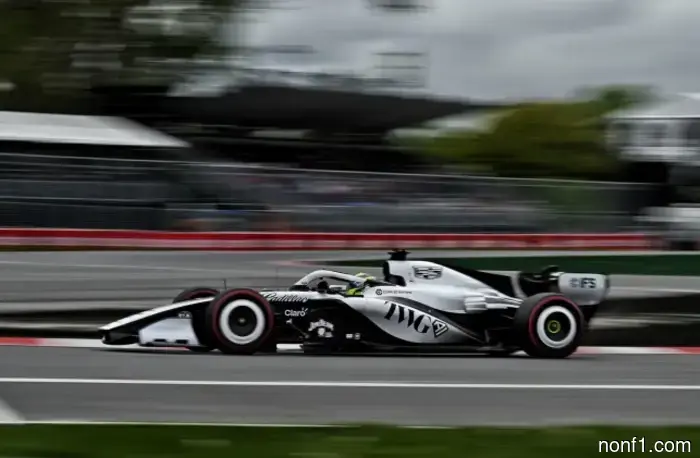 Cadillac F1 will present new products in Monaco.
This weekend, Cadillac will make its debut in Monaco – the American team hopes that the experience of Sergio Perez and Valtteri Bottas will fully manifest on the narrow streets of the Mediterranean principality...
Cadillac F1 will present new products in Monaco.
This weekend, Cadillac will make its debut in Monaco – the American team hopes that the experience of Sergio Perez and Valtteri Bottas will fully manifest on the narrow streets of the Mediterranean principality...
Paul Williams on the features of the track in Monaco
Before the Monaco Grand Prix, Paul Williams spoke about the key technical factors that could influence the course of the weekend...