
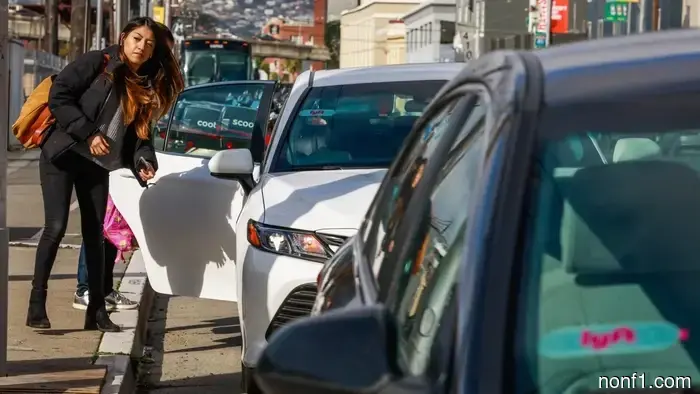
A study reveals that 20% of your Uber fare is allocated solely to insurance costs.
Gabrielle Lurie/San Francisco Chronicle via Getty Images
The latest car news and reviews, no fluff.
Our daily newsletter delivers the most important stories to your inbox every weekday.
It is well-known that two individuals can order the same Uber or Lyft ride from the same location and encounter entirely different prices. What is less commonly understood is how the fare is divided among those involved. There has been some debate over whether Uber truly claims half of the fare value (with one prominent analyst stating that they do, while Uber has forcefully denied it), but you might be surprised to discover how much of the fare is allocated to insurance costs. It turns out to be more than 20%.
A recent study from the gig economy analytics firm Gridwise (via The Curbivore) indicates that, on average, 21% of a fare is allocated solely to insurance. This applies to both Uber and Lyft, according to the experts, and pertains only to rideshare services; delivery services typically incur lower insurance costs as there are no passengers in the vehicle.
Notably, the per-ride insurance expenses for both Uber and Lyft have recently decreased, dropping by more than 5% nationwide for both companies between Q1 2025 and 2026, with a more significant reduction in one specific area. The West—historically known for having the highest rideshare insurance rates—experienced a 20.6% decline in costs year-over-year, attributed to California State Bill 371, which reduced required coverage for uninsured and underinsured motorists.
Conversely, some regions saw an increase in costs, with the Southwest experiencing a 15.8% rise and the East Coast seeing a 7% uptick, among others. The study highlighted that these increases will particularly impact vulnerable neighborhoods, such as the 20 lowest-income ZIP codes in Chicago, where coverage costs were an astonishing 37.6% higher than in other parts of the metropolitan area.
Gridwise noted that California legislators seemed to aim for their state's reduction in insurance requirements to provide some savings for residents. However, the ongoing reality is that without compelling corporations to share those savings, they often will not. For example, despite the significant 20% reduction in costs in the West, consumer prices increased by 3.4% during the same period, and platform fees surged by 29.1%.
This report comes after a year in which car insurance nationally saw a slight average decline of around 6% in 2025. Whether individuals actually experienced any savings largely depended on their location; readers in New Jersey faced the largest increases, with rates rising by 20% last year.
Have a news tip? Reach out to us at tips@thedrive.com.
Other articles
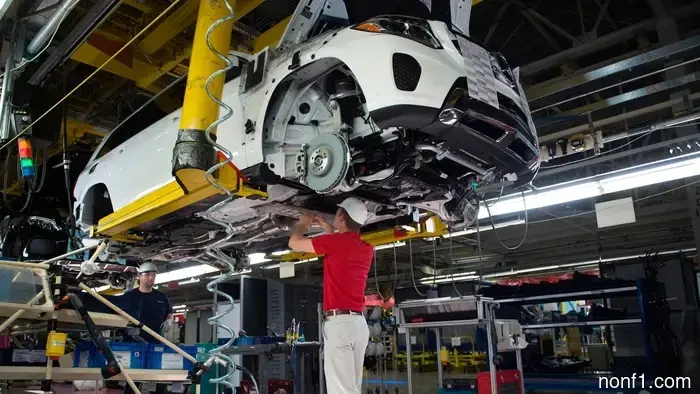 The CEO of Mercedes states that the company does not intend to be removed from the US market.
The U.S. currently represents Mercedes' most significant sales market, and the company’s CEO has stated that it will "guard" its American operations amid the potential ban.
The CEO of Mercedes states that the company does not intend to be removed from the US market.
The U.S. currently represents Mercedes' most significant sales market, and the company’s CEO has stated that it will "guard" its American operations amid the potential ban.
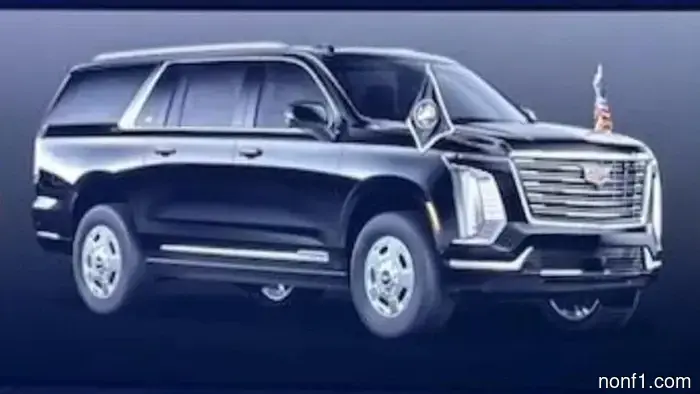 Federal Agents Place Large Order for 250 Cadillac Escalades for Stylish Transportation of the Secret Service
President Trump spoke to the nation from a GM facility, criticizing the UAW president and referencing the Escalade order.
Federal Agents Place Large Order for 250 Cadillac Escalades for Stylish Transportation of the Secret Service
President Trump spoke to the nation from a GM facility, criticizing the UAW president and referencing the Escalade order.
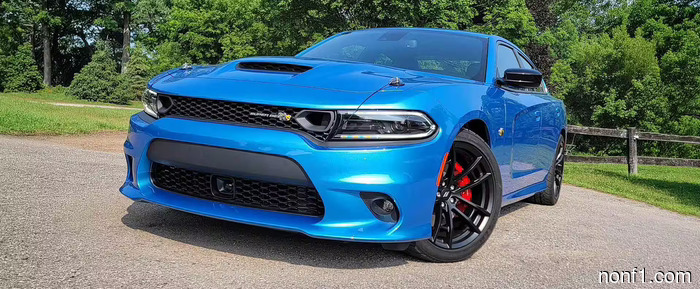 It definitely appears that the Dodge Charger Super Bee is making a return with a turbocharged inline-six engine.
The legendary Dodge Charger nameplate is making a comeback, but this time it won't feature a Hemi V8 engine.
It definitely appears that the Dodge Charger Super Bee is making a return with a turbocharged inline-six engine.
The legendary Dodge Charger nameplate is making a comeback, but this time it won't feature a Hemi V8 engine.
 Toyota Continues to Introduce Vibrant Colors with New Yellow TRD Pro Paint
In a time when most cars are in shades of grey, Toyota introduces a new color named Honeycomb, following last year's bold WaveMaker teal paint.
Toyota Continues to Introduce Vibrant Colors with New Yellow TRD Pro Paint
In a time when most cars are in shades of grey, Toyota introduces a new color named Honeycomb, following last year's bold WaveMaker teal paint.
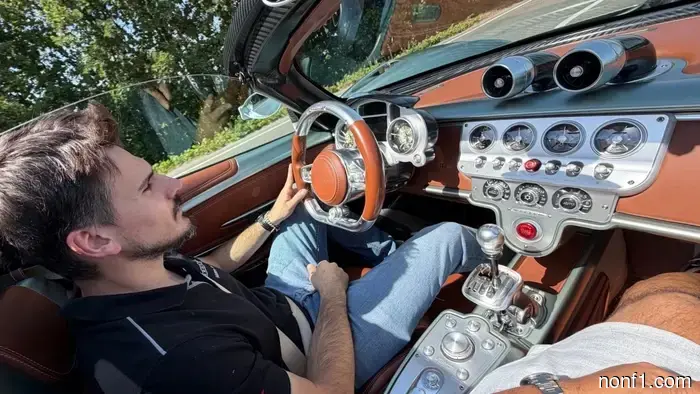 Experiencing a ride with Pagani’s test driver in a Utopia Roadster has forever changed my perspective.
Riding alongside the individual responsible for creating multi-million-dollar, V12 hypercars is akin to having an art lesson with Leonardo da Vinci himself. It's an unparalleled experience.
Experiencing a ride with Pagani’s test driver in a Utopia Roadster has forever changed my perspective.
Riding alongside the individual responsible for creating multi-million-dollar, V12 hypercars is akin to having an art lesson with Leonardo da Vinci himself. It's an unparalleled experience.
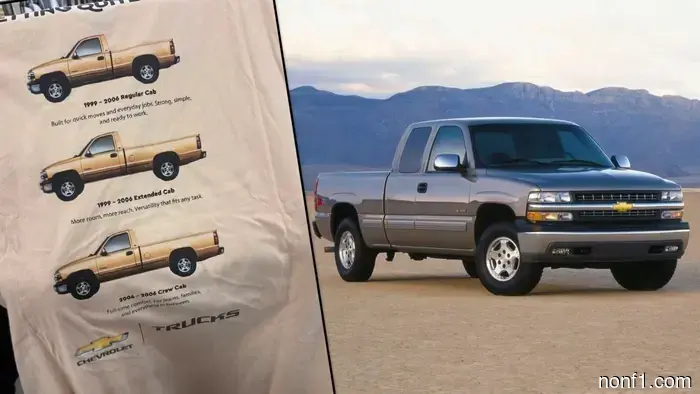 It seems that AI struggles to distinguish between regular cab and crew cab pickups.
A "formally licensed" Chevy trucks T-shirt appeared at TJ Maxx that seems to misunderstand the distinction between two-door and four-door models.
It seems that AI struggles to distinguish between regular cab and crew cab pickups.
A "formally licensed" Chevy trucks T-shirt appeared at TJ Maxx that seems to misunderstand the distinction between two-door and four-door models.
A study reveals that 20% of your Uber fare is allocated solely to insurance costs.
Approximately $1 out of every $5 you spend on a rideshare trip is allocated to insurance. Although insurance costs have dropped in certain areas, don’t presume that this has resulted in lower fares.