
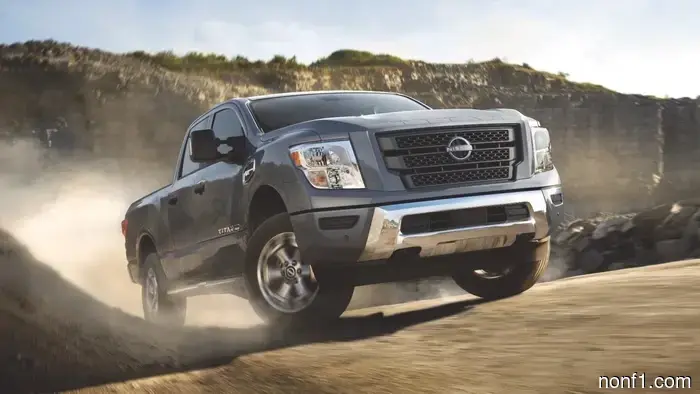
Research Indicates Nissan Titan Headlight Glare Exceeds IIHS Limit by 615%, Yet Remains Within Legal Standards.
Nissan
The most significant automotive news and reviews, without any fluff.
Our free daily newsletter delivers the most important stories to you directly, every weekday.
Headlight glare is a significant issue that current regulations fail to tackle. A recent AAA study revealed that 60% of U.S. drivers deem headlight glare a problem while driving at night, with around 75% indicating that the situation has worsened over the last decade. Another study supports this finding, indicating that numerous cars and trucks emit excessive headlight glare, yet they still comply with federal standards.
This research was undertaken by the eyewear company Overnight Glasses, with a sound methodology. The team utilized headlight-testing data from 257 models provided by the Insurance Institute for Highway Safety (IIHS) and compared it to vehicle height—since taller vehicles position their headlights closer to the sightlines of other drivers—to establish an index for nighttime headlight glare.
BMW
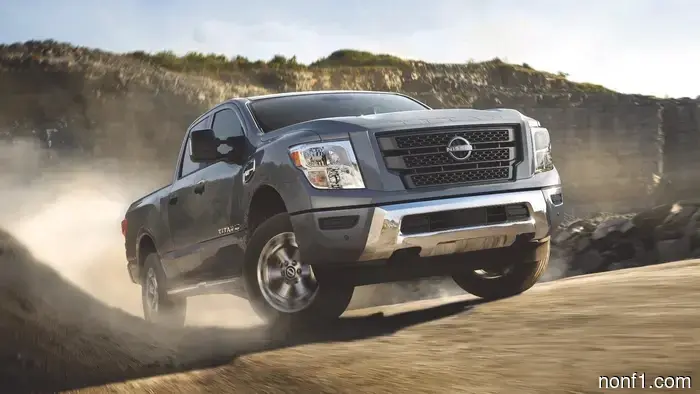
If you have reviewed the IIHS ratings while looking for a new car, you might be aware that certain models perform poorly in the headlight tests conducted by the insurance agency. One such example is the second-generation (2017-2024) Nissan Titan, which generated headlight glare 615.1% above the safe limit set by the IIHS. It's noteworthy that this case represents the highest glare among 16 headlight variations tested by the IIHS during the production period of the second-gen Titan.
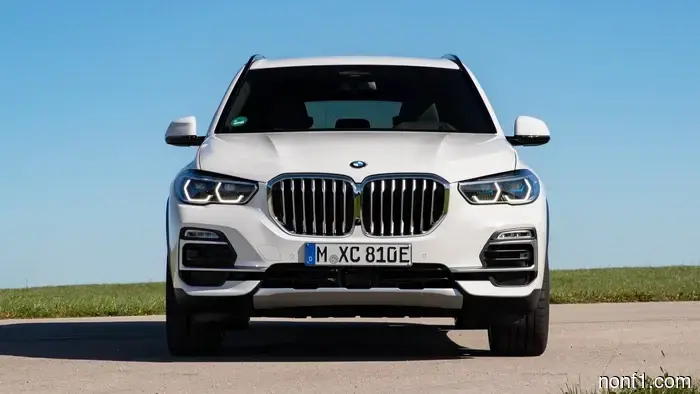
In the study, the Titan was ranked the worst overall for headlight glare, even though the BMW X5's headlights emitted an even greater glare, measuring 677.8% above the IIHS-approved limit (based on 12 headlight variants from the same range of model years as the Titan). However, since the study also takes vehicle height into account, and the X5 is not as tall as the Titan, it earned a better index score of 95.6, compared to the Nissan’s score of 100.
Chevrolet
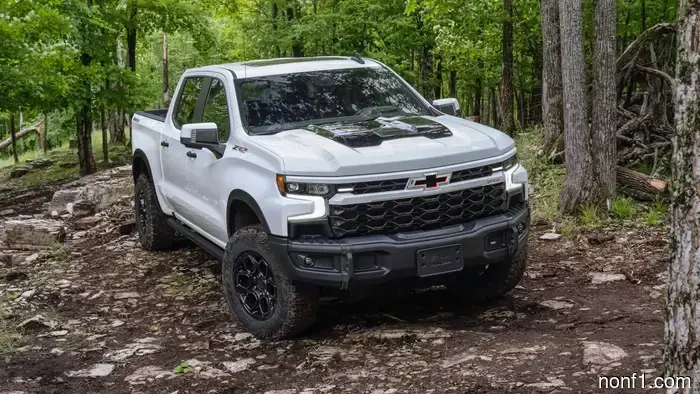
The analysis of vehicle height alongside the sheer brightness from overly intense headlights resulted in a ranking primarily filled with full-size pickup trucks. The Chevrolet Silverado 1500 and Ram 1500 followed closely behind the Titan in second and third place, respectively. The GMC Sierra 1500 ranked fifth, while interestingly, the Ford F-150 came in tenth, scoring lower for glare compared to the Edge, Lincoln Nautilus, and Kia Sedona.
A crucial point highlighted is that all these vehicles adhere to federal standards—you wouldn't be able to purchase them otherwise. As demonstrated by IIHS tests, federal regulations are severely lacking both in terms of addressing glare and guaranteeing sufficient nighttime illumination from headlights. Automakers feel no pressure to resolve this issue because they are not required to do so, and current regulations leave limited room for the adoption of new lighting technologies (though this aspect is starting to evolve).
Other articles
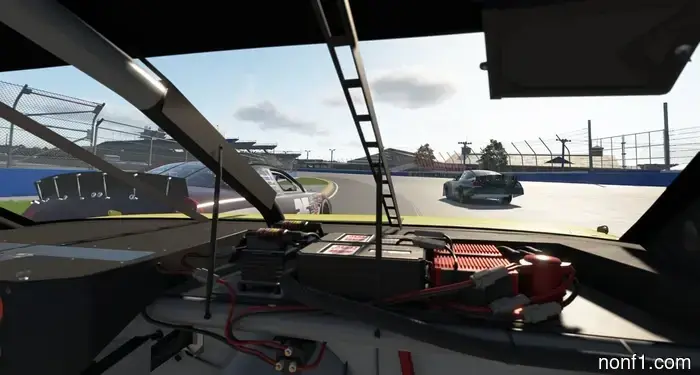 The long-anticipated Career Mode for iRacing is almost available and sounds quite promising.
The forthcoming career mode in iRacing will not necessitate any extra purchases for cars or tracks. Hooray!
The long-anticipated Career Mode for iRacing is almost available and sounds quite promising.
The forthcoming career mode in iRacing will not necessitate any extra purchases for cars or tracks. Hooray!
 Sergio Perez: Cadillac has stalled in its development.
Sergio Perez stated that in the recent races, the Cadillac team has stalled in its development, and the dismissal of Graham Loudon from the position of team principal is partly related to this.
Sergio Perez: Cadillac has stalled in its development.
Sergio Perez stated that in the recent races, the Cadillac team has stalled in its development, and the dismissal of Graham Loudon from the position of team principal is partly related to this.
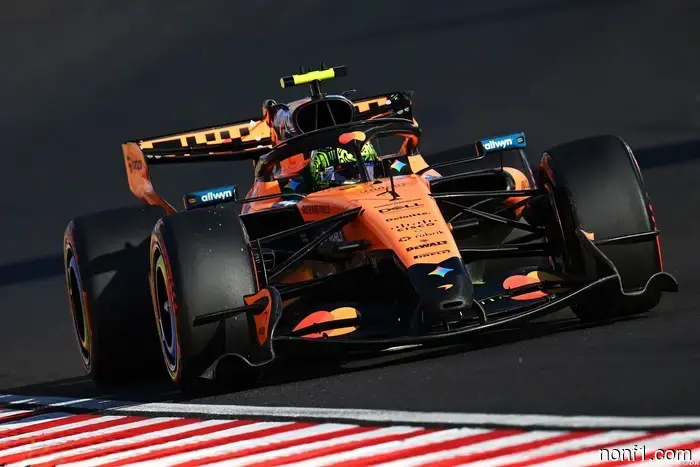 Official: Norris has signed an extension with McLaren, keeping him with the team until the conclusion of 2030.
Formula 1 | Lando Norris, the reigning 2025 Formula 1 Drivers' World Champion, has renewed his contract with the McLaren Mastercard Formula 1 Team for a minimum of (…)
Official: Norris has signed an extension with McLaren, keeping him with the team until the conclusion of 2030.
Formula 1 | Lando Norris, the reigning 2025 Formula 1 Drivers' World Champion, has renewed his contract with the McLaren Mastercard Formula 1 Team for a minimum of (…)
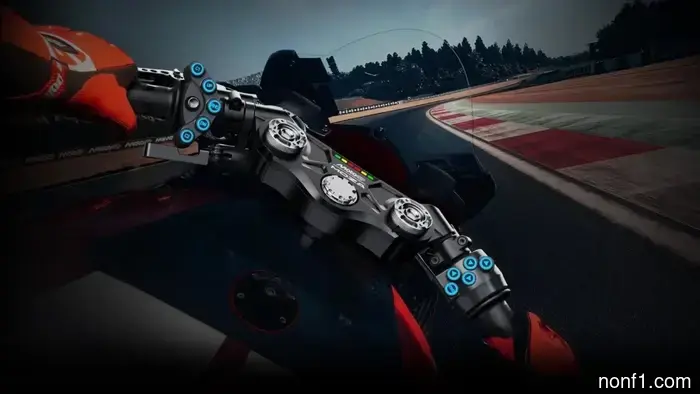 Authentic MotoGP Handlebar Sim Controller Promises a More Immersive Gaming Experience Without Being Completely Unenjoyable
More than just a toy, this could serve as the core of an incredible two-wheeled simulation setup.
Authentic MotoGP Handlebar Sim Controller Promises a More Immersive Gaming Experience Without Being Completely Unenjoyable
More than just a toy, this could serve as the core of an incredible two-wheeled simulation setup.
 Orihara: We need to significantly improve the manageability.
The chief engineer of Honda Racing Corporation agrees that not all the shortcomings of the power unit have been addressed yet, but acknowledges that taking the next step will not be easy...
Orihara: We need to significantly improve the manageability.
The chief engineer of Honda Racing Corporation agrees that not all the shortcomings of the power unit have been addressed yet, but acknowledges that taking the next step will not be easy...
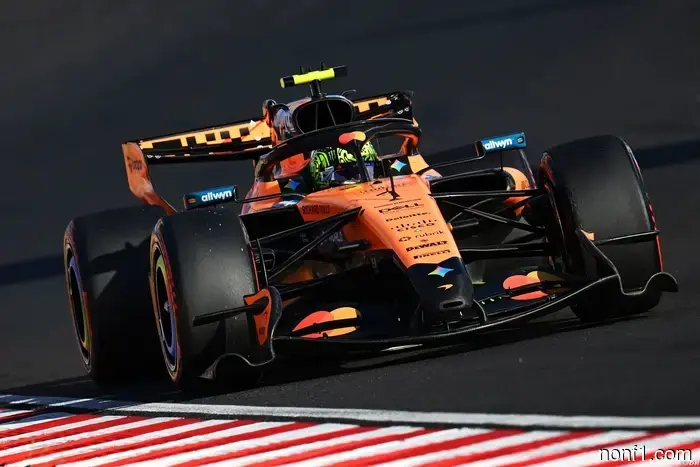 Official: Norris has renewed his contract with McLaren, extending it until the conclusion of 2030.
Formula 1 | Lando Norris, the reigning 2025 Formula 1 Drivers' World Champion, has renewed his contract with the McLaren Mastercard Formula 1 Team for a period of at least (…)
Official: Norris has renewed his contract with McLaren, extending it until the conclusion of 2030.
Formula 1 | Lando Norris, the reigning 2025 Formula 1 Drivers' World Champion, has renewed his contract with the McLaren Mastercard Formula 1 Team for a period of at least (…)
Research Indicates Nissan Titan Headlight Glare Exceeds IIHS Limit by 615%, Yet Remains Within Legal Standards.
In general, full-size pickup trucks were the biggest culprits when it comes to headlight glare.